
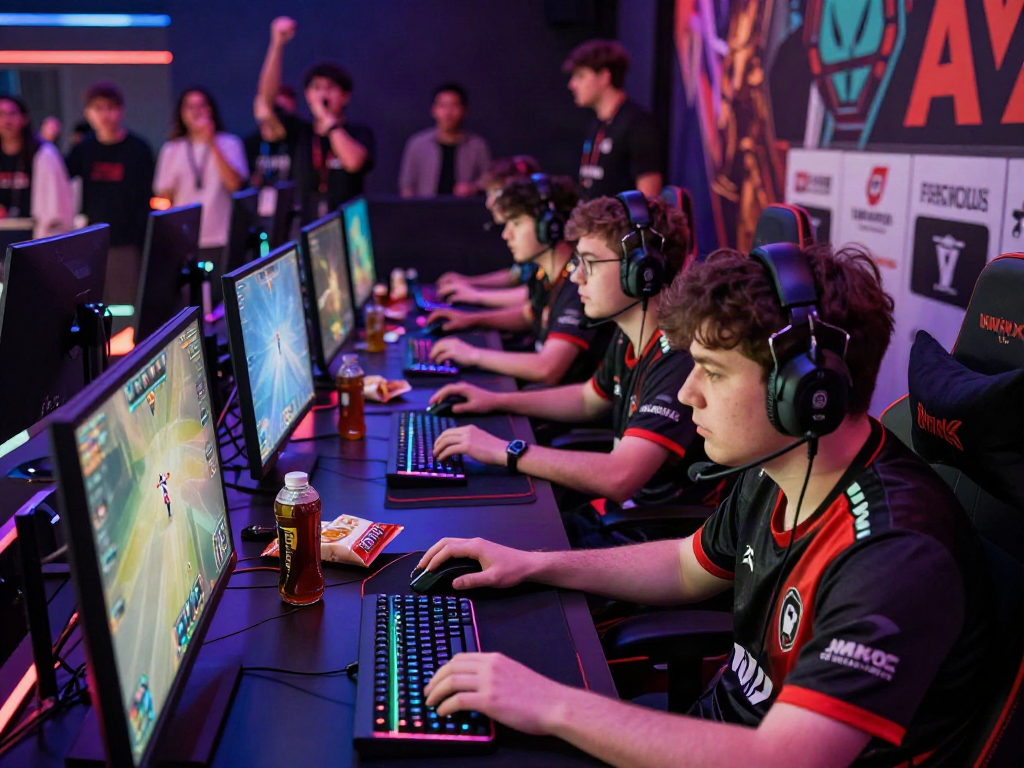
Understanding the Esports Landscape in 2026
The esports industry has undergone remarkable transformations over the past few years, evolving from niche gaming competitions to mainstream entertainment avenues. In 2026, the landscape is not only robust but also increasingly diverse, featuring a multitude of games, platforms, and audiences. This article explores the growth trends in esports competitions, identifies major players in the industry, and evaluates innovative fan engagement strategies designed to captivate the evolving gamer demographic. When exploring options, https://www.mpocash.net/ provides comprehensive insights into this exciting world.
Growth Trends in Esports Competitions
The growth of esports competitions is driven by several key factors. Firstly, the integration of high-stakes tournaments has brought massive prize pools, attracting elite players and organizations. Events such as the League of Legends World Championship and The International Dota 2 Championships have redefined competitive gaming, drawing millions of viewers across the globe. In 2026, we anticipate continued growth not just in traditional esports games, but also in emerging genres like battle royale and simulation games.
- Increase in live streaming audience: Platforms like Twitch and YouTube Gaming have reported exponential growth, with millions tuning in for live events.
- Corporate sponsorships and partnerships: Major brands have begun investing heavily in esports, recognizing its vast potential and engagement opportunities.
- Grassroots competitions gaining prominence: Local tournaments have become breeding grounds for talent, fostering community engagement and support.
Major Players: Who's Leading the Charge?
In 2026, the esports landscape features a myriad of players competing for dominance. Established organizations such as Team Liquid, Fnatic, and Cloud9 continue to lead the pack, while newcomers are also making their presence felt. These teams are backed by significant investments and have established fanbases that keep growing.
Moreover, game developers are playing a crucial role in shaping the competitive scene. Companies like Riot Games, Valve Corporation, and Epic Games not only create the platforms for competition but also engage heavily in community involvement and esports promotion. Their commitment to fostering competitive integrity and offering continuous updates ensures that the esports scene remains vibrant and dynamic.
Fan Engagement: New Strategies for 2026
As the esports audience matures, organizations are adopting innovative strategies to deepen fan engagement. From in-game events to interactive content on social media, the goal is to create immersive experiences that resonate with the audience.
- Virtual reality experiences that allow fans to experience competitions from a player's perspective.
- Exclusive content offerings, such as behind-the-scenes access to players and teams.
- Dynamic spectator engagement during live events, including live polls and interactive viewing experiences.
The Role of Technology in Competitive Gaming
Technology is at the heart of competitive gaming, propelling the industry forward and presenting new opportunities for players, teams, and organizers alike. The innovations that characterize this field in 2026 are varied, creating a richer and more efficient environment for all stakeholders involved.
Innovative Hardware for Top Performance
In 2026, hardware advancements are driving the competitive edge, with high-performance gaming rigs and peripherals becoming essential for players. Graphics cards that support real-time ray tracing, ultra-fast SSDs, and high-refresh monitors ensure that players can fully immerse themselves in high-stakes matches. Furthermore, ergonomic designs in gaming mice and keyboards are optimized for prolonged use and precise control, catering to the needs of professional gamers.
Software Solutions Driving Esports Success
Software solutions are equally pivotal, with dedicated platforms for analytics, performance tracking, and team management becoming commonplace. Tools like GYO Score and Faceit provide players with critical insights into their gameplay, allowing for continuous improvement and strategic adjustments. These technologies help teams to sharpen their competitive strategies while engaging in data-driven decision-making processes.
Streamlining Game Logistics with Technology
The organization of esports tournaments has also benefited from technological advancements. Event management tools streamline logistics, optimizing everything from player registration to match scheduling. Enhanced broadcasting technologies provide high-resolution streams with interactive features, making it easier for fans to engage with their favorite teams and players directly.
Financial Implications of Esports in 2026
The financial fabric of esports is evolving, with new revenue models emerging in response to market demands. By 2026, understanding these financial implications will be crucial for stakeholders aiming to navigate the competitive landscape effectively.
Revenue Models for Esports Organizations
Esports organizations are diversifying their revenue streams more than ever. Traditional models centered around sponsorships are now complemented by merchandise sales, ticket sales for live events, and media rights agreements. Moreover, platforms for microtransactions and subscription services are becoming commonplace, allowing fans to support their favorite teams directly.
Investments and Sponsorships: What to Expect
In 2026, the sponsorship landscape is expected to broaden as non-endemic companies recognize the value of tapping into the esports audience. Expect to see brands from various sectors, including automotive, consumer electronics, and even health and wellness, investing in esports teams and events. This shift signifies a lasting commitment to the industry's future and its potential for massive ROI.
Understanding the Economic Impact of Tournaments
Major esports tournaments contribute significantly to local economies, creating jobs, driving tourism, and generating revenue through ticket sales and merchandise. Evaluating the overall economic impact of these events will be crucial for local governments and organizations aiming to capitalize on the esports boom.
Building a Career in Esports
As the esports industry matures, so too do the career opportunities within it. By 2026, aspiring professionals will find a diversity of pathways leading to fulfilling careers in this dynamic field.
Pathways to Becoming a Professional Gamer
For gamers looking to transition into a professional career, the path is paved with opportunities. Training, practice, and participation in tournaments can set the foundation for a professional career. Many players are turning to streaming platforms to gain visibility, build a fanbase, and secure sponsorship deals.
Supporting Roles: Coaches, Analysts, and Managers
Beyond players, the need for supporting roles is expanding. Coaches and analysts who can provide strategic insights are invaluable to teams looking to enhance their performance. Additionally, managers play crucial roles in team operations, sponsorship negotiations, and brand building, becoming integral to the success of any esports organization.
Navigating the Job Market in the Esports Industry
The esports job market is competitive but offers immense potential for growth. Networking through industry events, engaging on professional social media platforms, and building a portfolio of skills can significantly increase an aspirant's chances of landing a desirable position within the industry.
The Future of Esports: Trends and Predictions
As we peer into the future of esports, several trends are set to play pivotal roles in shaping the industry over the next decade. 2026 could mark the advent of unprecedented changes and opportunities.
Emerging Technologies Shaping Gaming's Future
Technologies such as artificial intelligence and machine learning are beginning to influence the esports landscape significantly. These innovations can enhance game design, improve player training processes, and even develop in-game strategies tailored to specific opponents. By embracing these advancements, the entire industry can evolve towards more competitive and engaging formats.
Regulatory Challenges and Opportunities
With the growth of esports comes the need for regulatory frameworks that ensure fair play and protect minors involved in competitive gaming. Regulatory bodies may see an emergence as stakeholders seek to standardize practices, maintain integrity, and protect the interests of players and fans alike.
Anticipating Changes in Fan Experience and Engagement
As technology evolves, so too will fan experiences. The integration of augmented reality (AR) and virtual reality (VR) into viewing experiences may redefine how fans engage with their favorite games, offering entirely new ways to participate in esports events.
What are the latest trends in competitive gaming?
The latest trends in competitive gaming include the rise of hybrid events that combine in-person and online participation, a focus on diverse game titles, and the integration of mental health support for players.
How does technology influence esports tournaments?
Technology influences esports tournaments by enhancing broadcasting quality, streamlining logistics, and providing players and organizers with critical analytics that improve both performance and audience engagement.
What career opportunities exist in the esports industry?
Career opportunities in the esports industry include professional gaming, coaching, management, marketing, and event organization, as well as roles in game development and community engagement.
What financial models are most successful in esports?
Successful financial models in esports often include a mix of sponsorships, merchandise sales, media rights, and subscription-based services, allowing organizations to capitalize on a variety of revenue streams.
How will fan engagement evolve in esports?
Fan engagement in esports will evolve through the use of immersive technologies, exclusive content offerings, and real-time interaction tools, creating deeper connections between fans and their favorite teams.