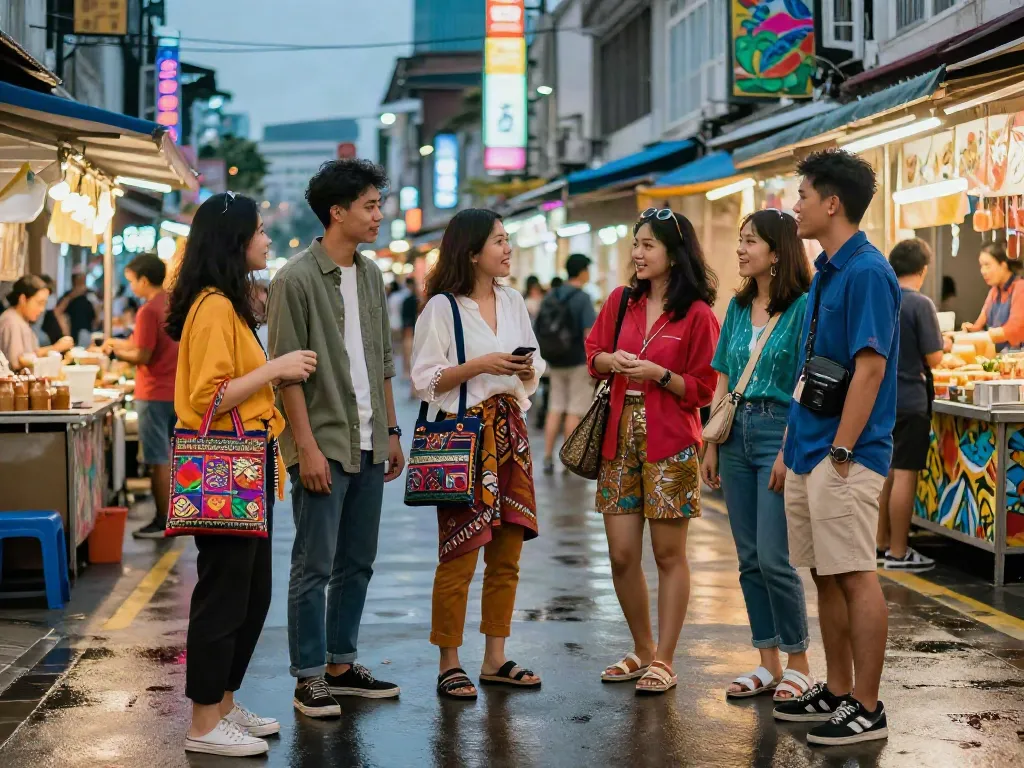
Understanding Nyonya4D: A Cultural Perspective
The world of fashion is often a reflection of cultural heritage and identity. Nyonya4D, rooted in the rich traditions of the Peranakan culture, showcases a blend of Chinese and Malay influences that create a unique aesthetic. This article delves into the intricate details of Nyonya4D, exploring its cultural significance and its evolving role in modern fashion. From traditional garments to contemporary adaptations, understanding Nyonya4D requires an appreciation of its historical context and the craftsmanship involved in its creation. For those seeking insights into this exquisite fashion style, nyonya4d offers a wealth of information.
What is Nyonya Culture?
Nyonya culture, also known as Peranakan culture, is a remarkable blend of Chinese and Malay traditions that emerged in the Malay Archipelago. The Nyonyas, as the women of this culture are called, are known for their vibrant clothing, intricate beadwork, and unique culinary traditions. This culture is characterized by its emphasis on family values, respect for traditions, and the pride of cultural identity. Nyonya culture is not merely a lifestyle; it is a rich tapestry woven from generations of beliefs, practices, and artistic expressions.
The Significance of Nyonya4D in Modern Fashion
Nyonya4D has transcended its historical roots to become a symbol of modern fashion that celebrates heritage while embracing contemporary trends. Designers today are integrating traditional techniques with modern fabrics and cuts, resulting in clothing that is not only stylish but also tells a story. The significance of Nyonya4D lies in its ability to foster a sense of identity among the younger generation while educating them about their cultural roots. As fashion evolves, Nyonya4D provides a bridge between the past and the future, making it relevant in today's dynamic fashion landscape.
Key Elements of Nyonya4D Style
The Nyonya4D style is characterized by its vibrant colors, intricate embroidery, and luxurious fabrics. Key elements include:
- Batik Prints: These hand-dyed fabrics are essential to Nyonya fashion, often featuring floral and geometric patterns.
- Kebaya Blouses: Fitted, embroidered tops that are typically worn over a sarong, showcasing the wearer’s figure elegantly.
- Beaded Accessories: Handmade beaded necklaces and shoes, known as "kasut manik," add a distinctive touch to the Nyonya outfit.
- Silk and Cotton Fabrics: The use of high-quality materials ensures both comfort and durability, important for traditional garments.
Cost Breakdown of Nyonya4D Fashion
Understanding the costs associated with Nyonya4D fashion is essential for anyone interested in incorporating these beautiful pieces into their wardrobe. Factors that influence pricing encompass a range of elements including materials, craftsmanship, and market demand.
Understanding Material Costs
The first step in determining the cost of Nyonya4D fashion is examining the materials used. Traditional Nyonya garments often utilize luxurious fabrics such as silk and high-quality cotton, which can vary significantly in price. Custom batik prints may also add to the overall cost due to the intricate dyeing process. In recent years, the rise of eco-friendly and sustainable materials has influenced pricing, as consumers are increasingly demanding ethically-produced fashion.
Labor and Craftsmanship: The Price of Quality
Craftsmanship plays a pivotal role in the pricing of Nyonya4D fashion. Many garments are hand-stitched and may take hours—or even days—to complete. This level of detail and dedication commands a premium price. High-quality craftsmanship not only enhances the aesthetic appeal but also ensures the durability of the clothing, making it a worthwhile investment for buyers.
Comparing Local vs. International Pricing
When comparing Nyonya4D fashion prices, it's essential to consider the geographic context. Local designers may offer more affordable options due to lower production and shipping costs, as opposed to international brands that may exhibit higher pricing owing to import tariffs and branding strategies. It's advisable for consumers to explore various options, ranging from local artisans to well-known fashion houses, to find pieces that fit their budget.
Creating Your Nyonya4D Wardrobe
Building a Nyonya4D wardrobe involves curating essential pieces that embody the essence of this unique fashion style. Here, we outline key components and shopping tips for aspiring Nyonya enthusiasts.
Essential Pieces for a Nyonya4D Look
To achieve an authentic Nyonya4D look, consider including the following essential pieces in your wardrobe:
- Kebaya: A staple in any Nyonya wardrobe, the kebaya is both elegant and versatile.
- Sarong: Often worn with the kebaya, a sarong can come in vibrant patterns and is a must-have for any Nyonya outfit.
- Beaded Accessories: Invest in handcrafted beaded accessories to complement your attire.
- Footwear: Traditional kasut manik shoes enhance the Nyonya look beautifully.
Where to Shop for Authentic Nyonya4D Styles
Finding authentic Nyonya4D pieces requires some research and exploration. Consider visiting local boutiques that specialize in Peranakan fashion, or attend cultural fairs that showcase handmade items. Additionally, online platforms dedicated to artisanal fashion can provide access to unique pieces that reflect the true essence of Nyonya4D style.
Building a Budget-Friendly Collection
Creating a Nyonya4D wardrobe doesn't have to break the bank. Here are some tips for building a budget-friendly collection:
- Opt for Versatile Pieces: Choose items that can be mixed and matched with other garments to maximize outfit options.
- Look for Sales: Keep an eye out for seasonal sales or promotions from local artisans and online retailers.
- Consider Second-Hand Options: Thrift stores or online marketplaces can offer unique Nyonya4D pieces at lower prices.
Challenges and Misconceptions in Nyonya4D Fashion
While the allure of Nyonya4D fashion is undeniable, various challenges and misconceptions can arise, particularly among new enthusiasts. Addressing these can help foster a deeper understanding and appreciation of this cultural fashion.
Common Misunderstandings about Authenticity
One of the biggest challenges in Nyonya4D fashion is the prevalence of mass-produced items that may not accurately reflect the traditional craftsmanship. Many consumers are unaware of the differences between authentic, handcrafted pieces and their machine-made counterparts. It is essential to educate oneself about the hallmarks of genuine Nyonya garments, such as the quality of fabric and the intricacy of embroidery.
Overcoming Budget Constraints
Budget constraints can deter potential buyers from exploring Nyonya4D fashion. However, by prioritizing essential pieces and looking for value-driven options, anyone can start their journey into this cultural wardrobe without overspending. Investing in one or two key items at a time can gradually build a versatile collection.
Preserving Cultural Integrity while Shopping
As demand for Nyonya4D fashion increases, so does the risk of cultural appropriation. It is crucial for buyers to respect the origins of the attire and support authentic brands that uphold traditional techniques. By selecting pieces from reputable sources, you can help preserve the integrity of Nyonya culture while enjoying its beauty.
The Future of Nyonya4D in 2026 and Beyond
The future of Nyonya4D fashion looks promising as it continues to adapt to contemporary trends while remaining rooted in its cultural heritage. In the coming years, we can expect to see several exciting developments within this space.
Emerging Trends in Fashion and Culture
As fashion continues to evolve, Nyonya4D will likely see an incorporation of modern silhouettes and sustainable practices. Eco-conscious designs that utilize organic materials are becoming increasingly popular, catering to a demographic that values environmental responsibility alongside style.
How Technology Impacts Nyonya4D Accessibility
Advancements in technology have made Nyonya4D fashion more accessible through online marketplaces and social media platforms. This shift enables artisans to reach global audiences while educating others about the beauty of their craft. Technology not only enhances exposure but also offers innovative solutions for traditional methods, allowing for a blend of old and new.
Expert Predictions for Nyonya4D's Role in Global Fashion
Industry experts predict that Nyonya4D will increasingly gain recognition on the global fashion stage. As more designers draw inspiration from diverse cultures, the unique elements of Nyonya4D will continue to contribute to a more inclusive and enriched fashion narrative. This growing appreciation could lead to collaborations, exhibitions, and more extensive representation of Nyonya fashion in international fashion weeks.
What is Nyonya4D?
Nyonya4D is a fashion style rooted in the rich heritage of the Peranakan culture, characterized by vibrant colors, intricate embroidery, and unique accessories. It celebrates the fusion of Chinese and Malay influences, creating a distinctive aesthetic that honors tradition while embracing modernity.
How much does Nyonya4D fashion typically cost?
The cost of Nyonya4D fashion varies significantly based on materials, craftsmanship, and sourcing methods. Authentic handcrafted pieces may range anywhere from $100 to several hundred dollars, depending on the level of detail and brand reputation.
Where can I find authentic Nyonya4D pieces?
Authentic Nyonya4D pieces can be found at local boutiques specializing in Peranakan fashion, cultural fairs, and online platforms dedicated to artisanal fashion. It’s essential to ensure the credibility of the seller to guarantee quality.
Is Nyonya4D fashion suitable for everyday wear?
Absolutely! Nyonya4D fashion pieces can be adapted for everyday wear. Combining traditional garments with modern accessories allows for a versatile look that is both stylish and rooted in cultural heritage.
How does Nyonya4D influence contemporary style?
Nyonya4D influences contemporary style by introducing unique patterns, colors, and silhouettes that enhance modern wardrobes. Designers are increasingly incorporating traditional elements into contemporary fashions, creating a vibrant dialogue between the past and present.